
Shopify
-

Why Separate Shopify Products Rank Better in AI Suggestions and Sales Channels
Both variants and separate products can appear in AI recommendations and sales channels. The difference is signal strength. Separate Shopify products give AI, Google Shopping, and search engines more to work with: dedicated URLs, focused titles, specific images, and standalone feed entries. Here is why that matters and how to solve the navigation tradeoff.
-

Your Shopify Products Come in Multiple Colors but Customers Only See One. Here Is How to Fix That.
If you sell the same product in different colors as separate Shopify listings, customers have no way to discover the other options. Color swatches connect your products visually while keeping each one independent for SEO and inventory.
-

What Can Rubik Combined Listings Do? Every Feature Explained for Shopify Merchants
A complete walkthrough of every feature in Rubik Combined Listings: swatch types, collection page behavior, AI Magic Fill, visual customization, metaobject architecture, out-of-stock handling, bulk grouping, translations, and more.
-
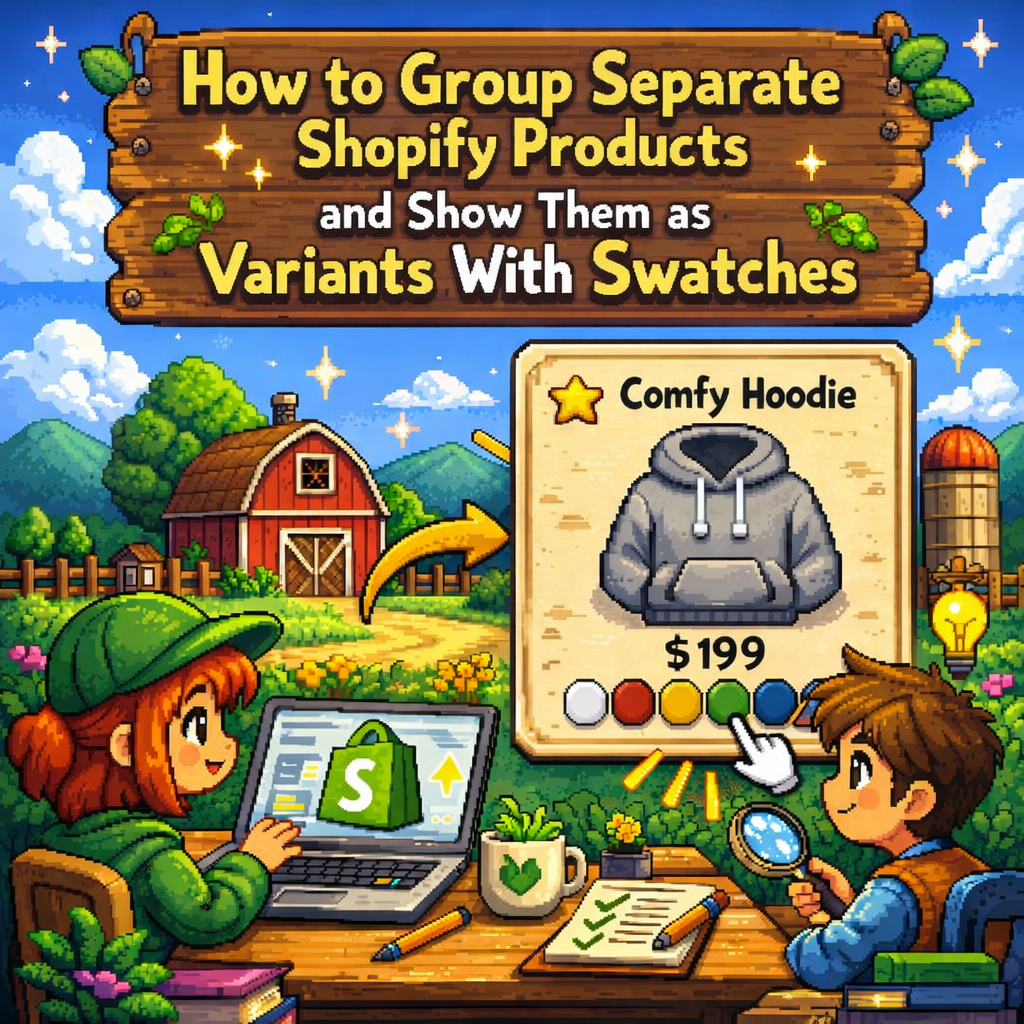
How to Group Separate Shopify Products and Show Them as Variants With Swatches
You sell a hoodie in 8 colors. You’ve created 8 separate products because your supplier sends each color as its own SKU, or because you want each color to rank independently in Google, or because Shopify’s 3-option limit forced you to split. Now you have a problem. Those 8 products sit in your catalog with…
-
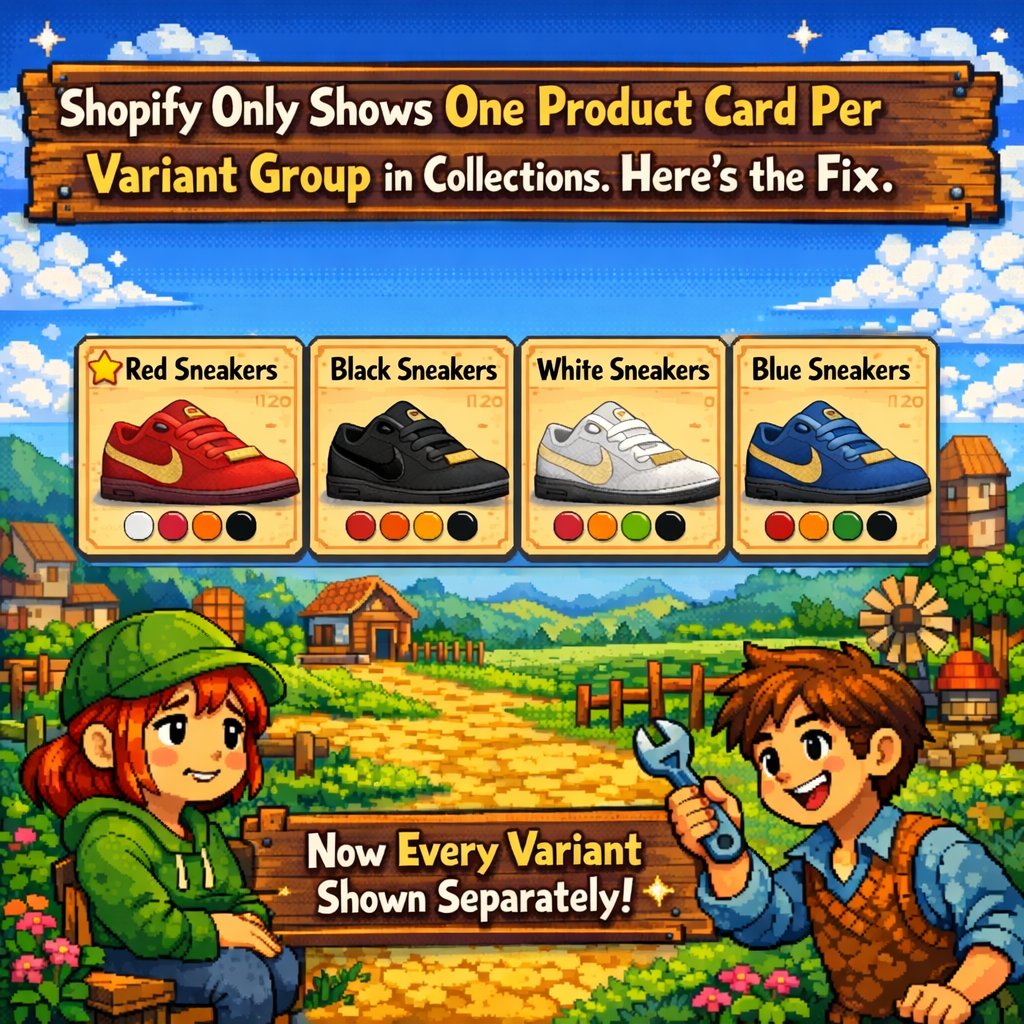
Shopify Only Shows One Product Card Per Variant Group in Collections. Here’s the Fix.
If you sell a t-shirt in 8 colors and all those colors are variants under one product, your Shopify collection page shows one card. One thumbnail. One chance to catch someone’s eye while they scroll. The other 7 colors? Hidden. A customer has to click into the product, find the variant selector, and flip through…
-
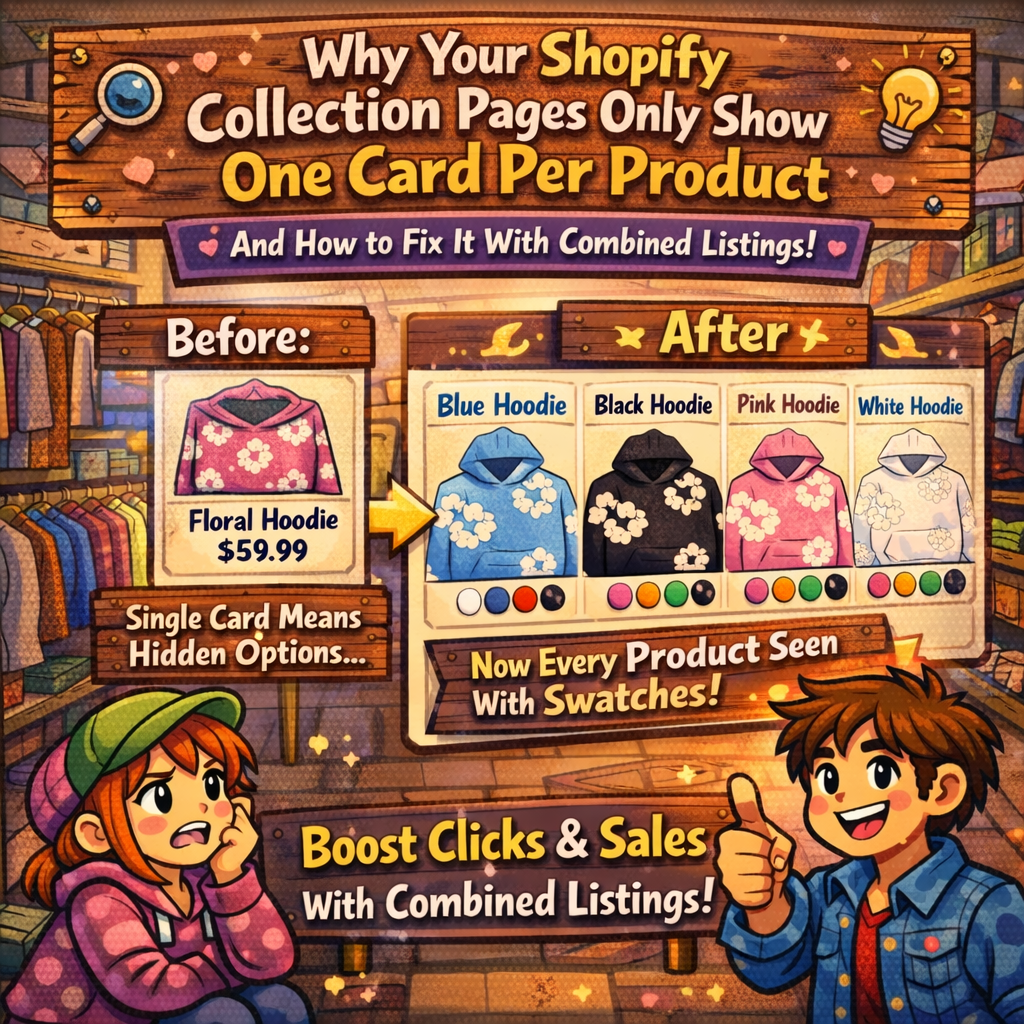
Why Your Shopify Collection Pages Only Show One Card Per Product (And How to Fix It With Combined Listings)
Here’s a problem that drives Shopify store owners crazy: you sell a jacket in eight colors, but your collection page shows one card. Just one. The customer sees “Jacket” with whatever image you set as the featured photo, and they have no idea seven other colors exist unless they click into the product and start…
-
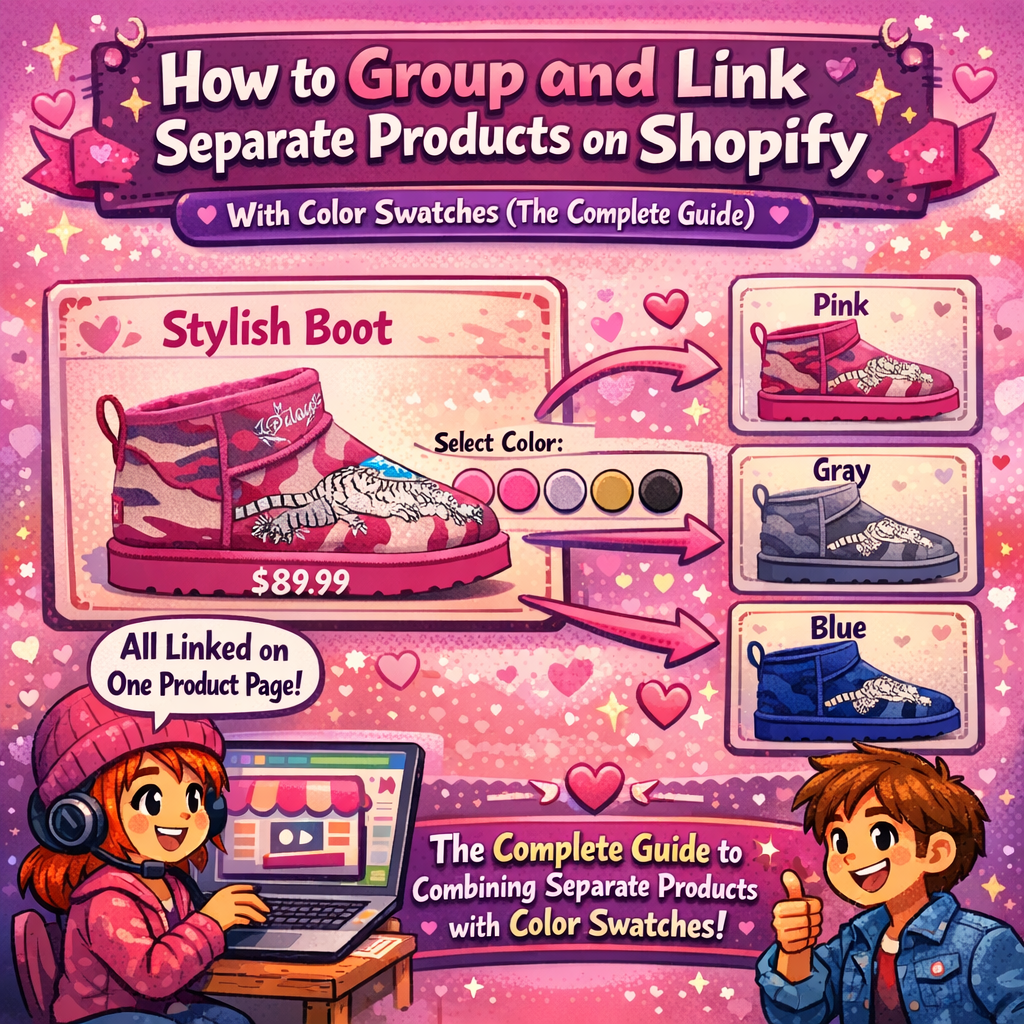
How to Group and Link Separate Products on Shopify With Color Swatches (The Complete Guide)
You have separate products on Shopify that should be connected. Maybe it’s the same jacket in five colors. Maybe it’s a sofa in different fabrics. Maybe it’s a phone case in 30 designs. Whatever the product, the situation is the same: each color or style is its own listing in your Shopify admin, and your…
-
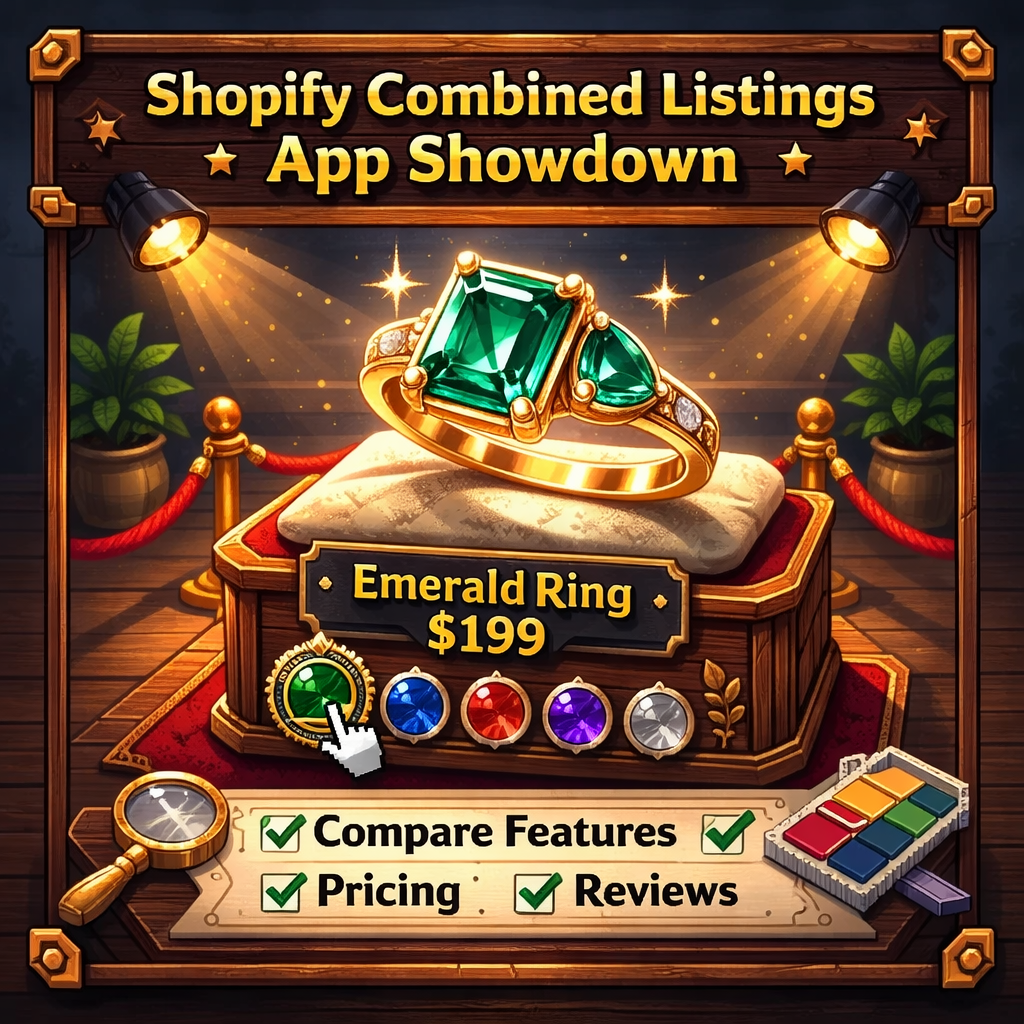
Best Shopify Combined Listings Apps Compared (2026)
Shopify’s own Combined Listings app exists, but it needs Plus. That’s $2,300/month minimum. If you’re on Basic, Shopify, or Advanced, you’re looking at third-party apps. The problem is there are over 20 of them in the App Store, and their feature pages all sound the same. “Connect products with swatches.” “Visual color options.” “Works with…
-
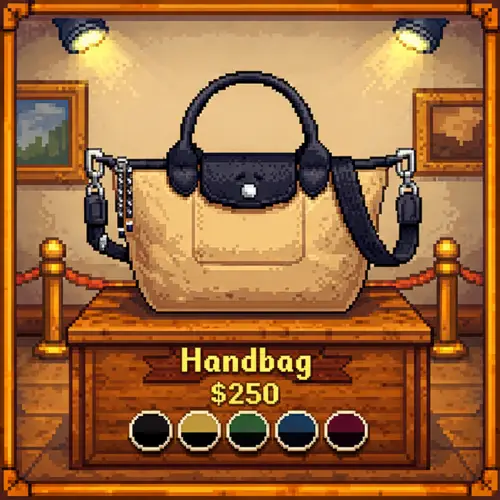
How to Show Color Swatches for Separate Products on Shopify (Step-by-Step Guide)
If you created each color or style of your product as a separately in Shopify, you’ve probably noticed a problem. When a customer lands on one of those product pages, they have no idea that other versions exist. There’s no easy way for them to browse the other colors, materials, or styles you offer. This…
-
Shopify Variant ID Matching Explained
Most Shopify image automation workflows rely on identifiers like SKUs, barcodes, or metafields. For many stores, those methods work well. However, as catalogs grow more complex, these identifiers begin to show limitations. Variant ID matching was added to Smart Bulk Image Upload to solve a specific class of problems that other matching methods cannot handle…